MOURNING AND LOSS (AND THE FEAR OF LOSS)
Die deutsche Fassung ist hier
November is the month of mourning: All Souls’ Day, the Day of Repentance and „Totensonntag“…
Loss and the fear of it are things that accompany our very humanity; if we are lucky, only a little later in life; if we are confronted with loss at an early age, perhaps even from childhood.
In the singing profession, the ever-present fear of losing one’s voice – and with it a large part of our identity – is part of our existence. When the first morning clear of the throat or hum goes wrong, we are immediately overcome by panic that our voice is gone. And at some point in our career, we have sung too much, too loudly, without enough support, or repertoire that is too demanding, and the voice is suddenly (as if) gone. It usually comes back after a few days, but the panic is dreadful. Over time, you become wiser and no longer demand more from this precious and irreplaceable instrument than it can cope with; you know where the line lies between ‘stretching your limits’ and overworking it. Then things go quite well for a few years – until the fear sets in that the voice is no longer up to the task, that long passages are too strenuous, the high notes become difficult, the middle register lacks substance, and we are no longer in demand. Losing one’s voice for an effective and well-paid stage career is painful. We think that without singing we are nothing, and the shift to something else can be difficult. That is why it is important to keep re-evaluating what one might do after one’s career ends, because in most cases there is still a great deal of life left after one’s career, which one should then be able to make the most of…
But of course, even in ‘normal’ life (what is normal, anyway?!) loss and the fear of it are part of our human condition:
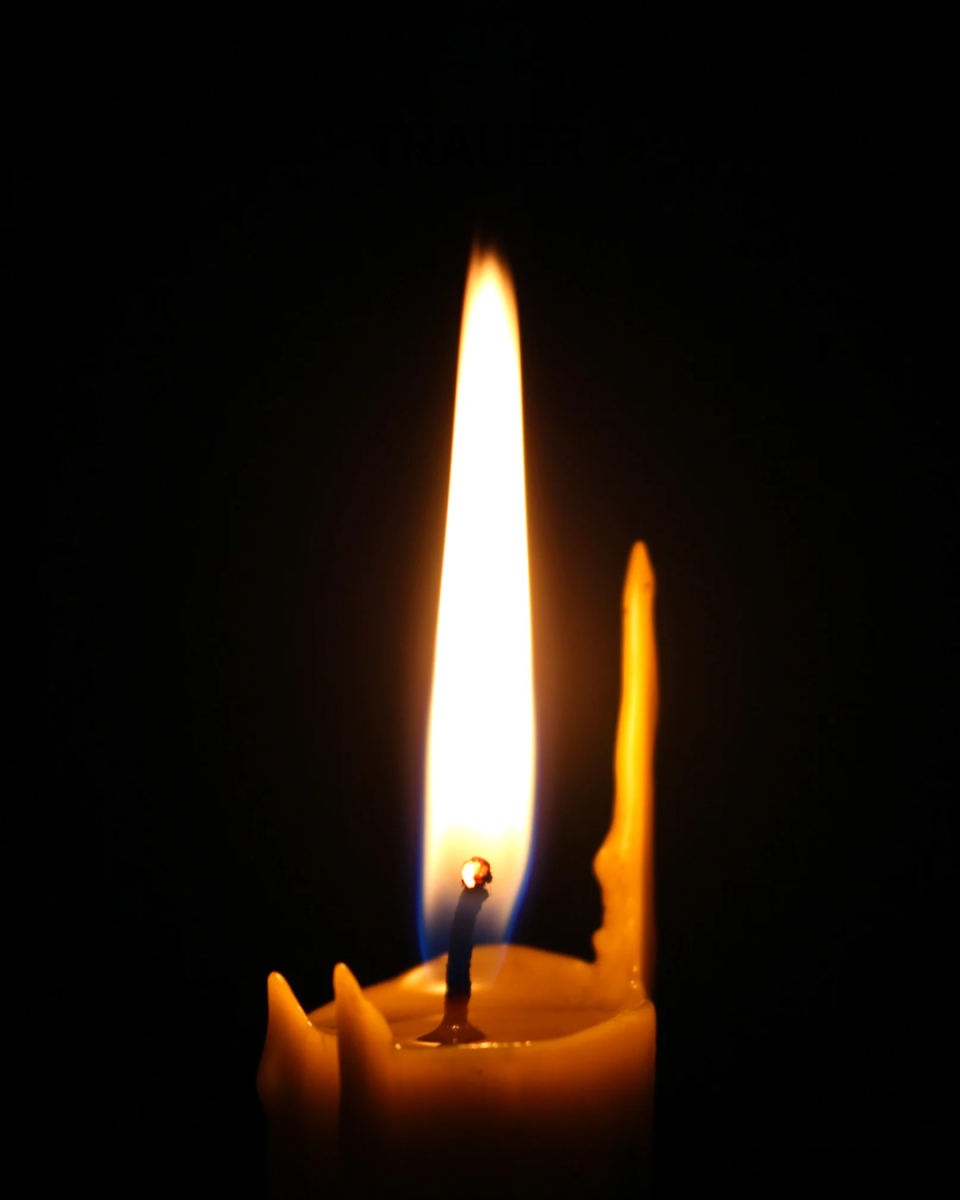
As soon as we have children, we fear that something terrible might happen to them. Watching children grow up, it’s actually astonishing that there are people at all who live to be older than six! The proverbial guardian angels are on duty round the clock for children and, fortunately, are usually very effective.
Parents whose children die or are stillborn experience the worst possible loss, and my respect for them knows no bounds!
The older we get, the more loss creeps into our lives: first comes the loss of childhood, of the nursery, of school (not always necessarily felt as painful;)). Sometimes this is followed by the loss of a sense of home, when we realise that perhaps we no longer really belong where we grew up. Then it’s a matter of building a new home out of this loss, redefining what ‘home’ means to us; here, music can be our global home, or, as Sir Peter Ustinov so beautifully put it, “The only home that matters to me is civilised behaviour” (quote from his wonderful book *Beware of Prejudice*).
The first losses in the family are usually those of our grandparents; as life expectancy is so high these days, young people today often lose their grandparents only in their 20s and not, as in my generation, at pre-school age. Back then, we didn’t really understand it, and so it didn’t hurt quite so much; today, the loss of grandparents often comes later and is very painful.
When we reach middle age, the loss of uncles and aunts, of our father’s or mother’s friends, and then of our parents draws near, and suddenly we find ourselves at the forefront of the family. We should try to make amends with family members before they die; otherwise, unhealed wounds will remain our constant companions!
There are losses of marriages and partnerships. These losses, too, must be come to terms with; even if we brought them about ourselves, we had initially hoped that we would stay together with our spouse or partner and spare any children the heartbreak of separated parents.
Sometimes there are losses of friendships that we have outgrown – realising this, too, can be painful.
There are the unforeseeable losses: sudden deaths by suicide, accident or sudden illness; there are deaths following a long, drawn-out decline that we are forced to watch helplessly.
When life pulls the rug out from under our feet, our most faithful friend – music – is still by our side.
For us as professional musicians, making music can restore the sense of control that life has just taken away from us: singing and playing – that’s what we’ve learnt, that’s what we can do! Music is our constant, and it never lets us down!
However:
Singing and crying don’t work at the same time – we must learn to live with the pain and sing anyway. What can we do?
You can…
…take time to grieve, even if it’s only for a few hours a day. The tears we hold back might otherwise suffocate us.
…see music for what it is to us: therapeutic support, our safe haven and the one thing we CAN do, where we’re in control.
…write to colleagues and ask them to wait until after the performance or rehearsal to express their sympathy, so that you can get through the performance emotionally.
…develop mourning rituals. For some people, this might mean getting plenty of exercise; for others, locking themselves in a room and singing particularly loudly; for others still, lying in bed in the foetal position. You can write letters to those you’ve lost and throw them into a river or burn them – anything that helps is fine!
…avoid songs with triggers at all costs in upcoming recitals. Strauss‘ „Allerseelen“ isn’t a good choice if you’ve just lost someone!
…at the opera, when you reach trigger moments, either think about technique or something completely mundane, such as your next tax return. This distracts us for a moment and prevents us from delving deeper into the emotion than we can bear at that moment.
Whatever does you good at that moment is the right thing to do; don’t try to conform to any supposed norms!
If you can’t cope on your own, seek help! There are good books (e.g. *I Live with My Grief* by Chris Paul, which helped me a great deal after my father’s suicide, or Roland Kachler’s *My Grief Will Find You*); there are also professional grief counsellors you can confide in.
Life is a colourful mosaic, and painful experiences are part of it too. They add colour and depth to our lives and voices and can help us take a step towards artistic maturity.
If you’ve recently suffered a loss, I wish you lots of strength and all the best!
Thank you all for reading,
hedwig

